Parents have a lot of questions right now about the new child investment accounts rolling out in 2026. This guide explains what appears to be settled, what is still being implemented, and how families can prepare without rushing. KidFund is a private brand helping families plan around these accounts; it is not a government agency.
Why this matters in March 2026
Public guidance has become more concrete in the last few weeks. On March 6, 2026, Treasury and the IRS released proposed regulations on two key topics: how parents or guardians can open initial accounts, and how the government’s one-time $1,000 pilot contribution would work for eligible children. The IRS has also repeated that accounts cannot be funded before July 4, 2026. (irs.gov)
For parents, that means the practical timeline is clearer:
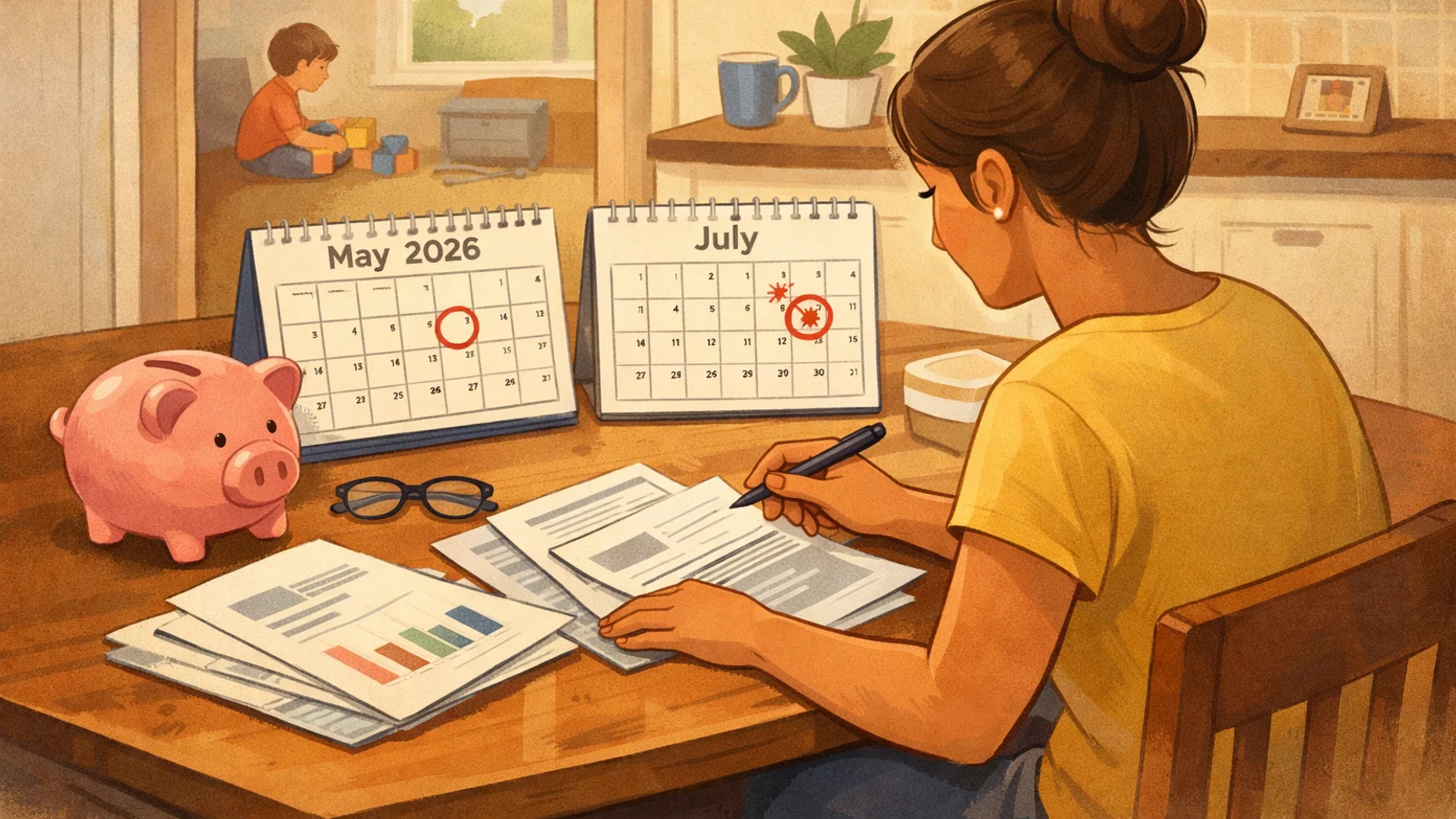
- Around May 2026: families should expect activation notices and opening steps to become more usable.
- July 4, 2026: private contributions are scheduled to begin.
- During 2026 tax filing and related election windows: some families may be able to make the election tied to the government’s $1,000 pilot contribution for eligible children. (irs.gov)
The biggest parent questions right now
1) Is this account already open automatically?
Not exactly. Current IRS guidance says a parent, guardian, or other authorized person generally needs to establish the account and make the required election for the child. In other words, families should not assume everything will happen automatically with no action needed. (irs.gov)
2) When can I actually put money in?
The current public answer is specific: not before July 4, 2026. That date has been repeated by the IRS, Treasury, and White House materials. (irs.gov)
3) Which children may qualify for the $1,000 government contribution?
Recent IRS guidance says the pilot program applies to eligible children born in calendar years 2025, 2026, 2027, or 2028, if the required election is made and other rules are met. The White House and Treasury have also described the eligible birth window as children born from January 1, 2025, through December 31, 2028. Parents should watch final instructions closely because eligibility depends on the official rules and filing steps. (irs.gov)
4) How much can families contribute?
Current federal summaries say the annual contribution limit is $5,000 total per child, with cost-of-living adjustments after 2027. Some employer contributions may be treated separately under the law, and certain charitable or government contributions may not count toward that family limit. (whitehouse.gov)
5) What can the account invest in?
Current White House guidance says these accounts are limited by law to broad U.S. equity index funds meeting specific conditions, including fee limits and no leverage. That means parents should expect a fairly narrow, standardized investment menu rather than unlimited investing choices. (whitehouse.gov)
What parents can do now instead of waiting passively
Build your checklist before May 2026
Use this short prep list now:
- Confirm your child’s Social Security number records are correct.
- Make sure the adult who will open the account is clearly the authorized individual.
- Save copies of birth records and tax records in one folder.
- Decide whether you want to contribute monthly, quarterly, or only on birthdays and holidays.
- Talk with grandparents or other relatives now if they may want to help after July 4, 2026. (irs.gov)
Set a contribution plan now
Even though contributions cannot start until July 4, 2026, families can still choose a plan today. For example:
- Starter plan: $25 to $50 per month after July 4.
- Birthday plan: one larger annual gift plus holiday gifts.
- Family plan: parents contribute regularly and relatives add occasional gifts.
- Employer-aware plan: if workplace benefits later support contributions, revisit the mix. (whitehouse.gov)
Avoid two common mistakes
- Do not assume the account is fully automatic. Current guidance points to an election and account-opening process. (irs.gov)
- Do not wait until July 2026 to gather paperwork. If activation steps begin around May 2026, organized families will have an easier time acting quickly.
A simple timeline for 2026
Here is the practical version parents can use:
- March 2026: review the new IRS and Treasury guidance.
- April 6, 2026: current public comment period noted by Treasury materials closes, which is one sign rules are still being finalized. (home.treasury.gov)
- Around May 2026: watch for activation notices, operational instructions, and account-opening workflows.
- July 4, 2026: contributions are scheduled to begin. (whitehouse.gov)
What KidFund thinks parents should focus on
The smartest move right now is not guessing about long-term projections. It is getting the basics ready:
- know whether your child appears eligible,
- know which adult will open the account,
- know when funding can begin,
- and know how much your family can realistically contribute after July 4, 2026.
That approach keeps families practical and avoids overpromising. Final details may still change as proposed rules move toward final implementation, so parents should use official government instructions for the actual opening and election process when those steps go live. (irs.gov)